Loading...
Serving Hartford, CT and surrounding areas. (959) 333-3893
Hartford winters crack slabs that were not built right. We dig footings to the depth this climate demands, insulate beneath the slab, install a proper vapor barrier, and handle every city permit and inspection from start to finish.
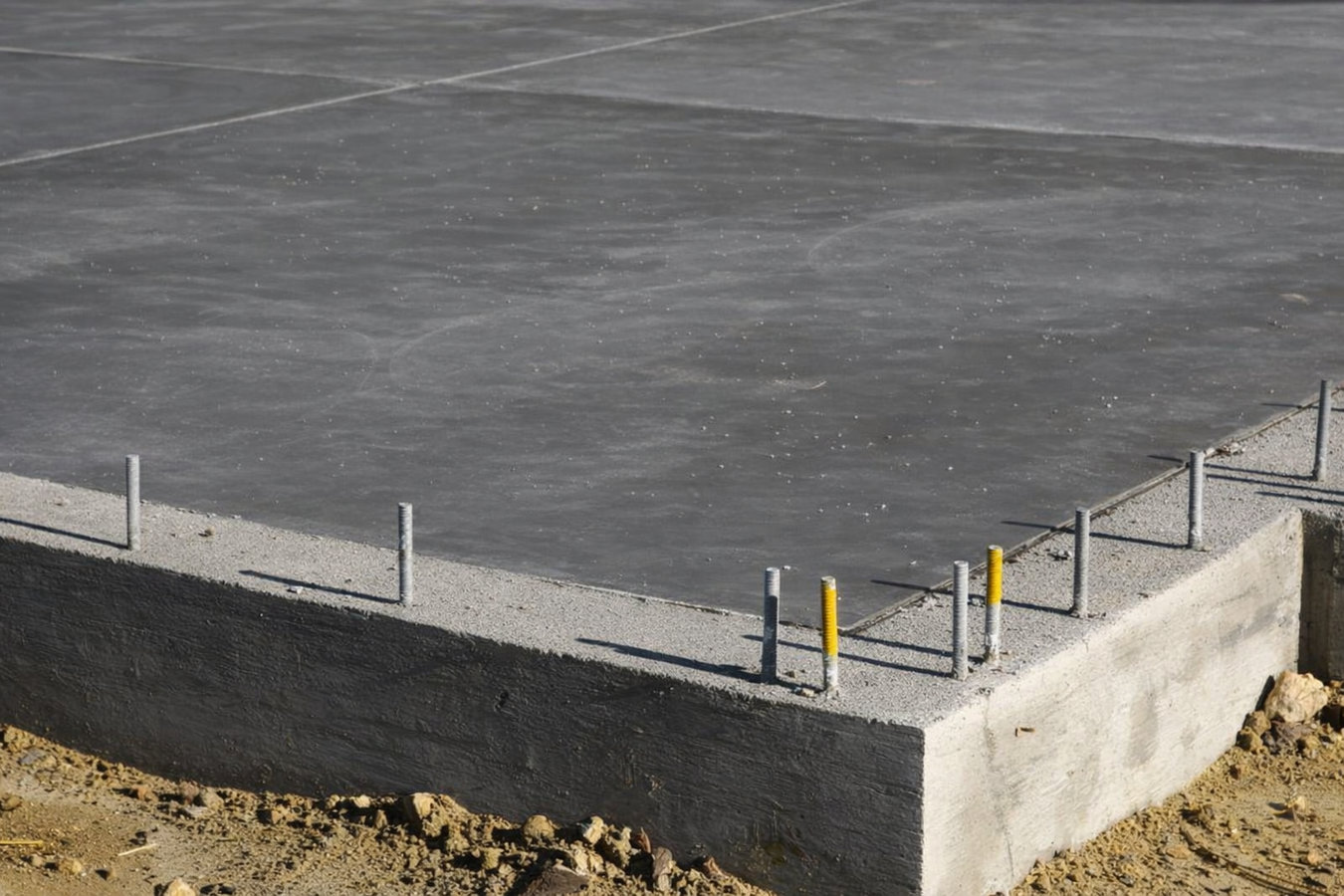
Slab foundation building in Hartford means excavating to frost depth, compacting a gravel base, laying a vapor barrier and insulation, placing rebar, and pouring a reinforced concrete slab in a single day - most residential jobs take one to two weeks from first dig to inspector sign-off.
Hartford sits in USDA Hardiness Zone 6a with more than 130 freeze-thaw cycles per year. That cycle is the single biggest threat to any slab in this city. A slab foundation poured without footings reaching below the frost line will heave, crack, and shift. Many Hartford lots also have clay-heavy glacial soils that hold moisture - a vapor barrier is not optional here, it is structural.
If your project includes structural elements sitting on top of the slab, you may also need foundation installation work for the walls and drainage system. We can assess both on the same site visit.
If you are building a new home, detached garage, or ground-floor addition where no foundation exists, you need a new slab. In Hartford, this comes up frequently when homeowners add a single-story addition to an older home. A slab is often the most practical choice for smaller footprints where a full basement is not worth the excavation cost.
Hairline cracks along control joints are normal. But diagonal cracks or cracks you can fit a pencil tip into mean the slab has shifted or settled unevenly underneath. In Hartford, this kind of movement usually traces back to footings that were not deep enough or frost working against an under-insulated base.
When a slab settles unevenly, the walls sitting on top shift slightly - and doors and windows show it first. If a door that used to close freely now drags or a window sticks, and humidity is not the cause, the slab beneath may be the problem. Catching this early prevents visible wall cracks from following.
A slab without a proper vapor barrier underneath allows ground moisture to wick up through the concrete. Hartford's spring snowmelt and heavy rain events make this a real issue. Damp spots, peeling floor coverings, or a persistent musty smell in a ground-floor room often point to a slab that was poured without adequate moisture protection.
Every slab foundation project starts with a free on-site visit. We assess the soil, measure the footprint, check drainage patterns, and give you a written estimate that separates labor, materials, and permit fees. We do not quote slab foundations over the phone because the ground condition under your specific lot is too important to guess.
We handle new slab construction for home additions, detached garages, and accessory structures, as well as slab replacement for existing structures that are being converted to heated living space. Every job includes the full sequence: site excavation, gravel base, vapor barrier, rigid foam insulation, rebar grid, and a single-day pour. Permits are pulled through Hartford Building Department before any work begins. For projects that also need concrete footing work under walls or columns, our concrete footings service is typically scoped into the same contract.
Homeowners converting a garage or outbuilding to occupied space should note that Hartford's building department requires the slab to meet residential standards before issuing a change-of-use permit. The American Concrete Institute publishes the residential construction standards (ACI 332) that guide how we approach every job.
Best for new homes, additions, detached garages, and accessory structures starting from bare ground.
Best for existing slabs with structural damage, failed vapor barriers, or inadequate frost-depth footings.
Best for upgrading an unheated slab to meet Hartford residential permit standards for a change-of-use project.
Hartford experiences more than 130 freeze-thaw cycles per year. That repeated ground movement is what drives Hartford contractors to dig footings to 48 inches below grade - a depth that is not legally required in warmer states. A slab built to a southern or mid-Atlantic standard will not hold up here. The extra excavation adds cost and time, but it is the difference between a slab that lasts 50 years and one that starts cracking in the third winter.
Hartford is one of the oldest cities in the country, and many of its lots have complicated soil histories. Glacially deposited clay can sit alongside pockets of old construction fill, and neither is visible until you start digging. In neighborhoods like the West End, Blue Hills, and Frog Hollow, it is common to find unstable sub-base material that requires compaction or engineered fill before the gravel bed goes down. We assess what is actually under your lot and tell you what we find in plain language before any concrete is poured.
We serve slab foundation projects across Hartford and the surrounding towns. Homeowners in West Hartford, Waterbury, and New Britain deal with the same soil and climate conditions - and we adjust our approach to each lot accordingly.
Reach out by phone or contact form and we respond within one business day. We schedule a free on-site visit to assess your lot, check soil conditions, and measure the footprint. No slab foundation is quoted over the phone.
We handle the Hartford building permit application on your behalf. Plan for one to three weeks between signing a contract and work beginning. The permit is required before excavation - no exceptions.
The crew excavates to below Hartford's frost line, removes unstable material, compacts the sub-base, and installs gravel, vapor barrier, rigid foam insulation, and the rebar grid. This stage typically takes one to three days depending on project size.
The concrete pour happens in one continuous operation. After the slab cures for at least seven days, Hartford's building inspector visits for final sign-off. You receive a completed permit card that documents the inspected work.
Free on-site visit, written estimate with no obligation, permits handled for you.
(959) 333-3893We dig to Hartford's required 48-inch depth on every slab project. That is not an upgrade - it is standard. Contractors who quote a lower price often quote a shallower footing. Ask anyone you are comparing us to what depth they specify.
We work across all 12 towns in our service area, from Hartford to Waterbury to Enfield. The same crew that builds slabs in the West End builds them in New Britain. Consistency matters when the work is buried under your home.
We pull the Hartford building permit, coordinate with the city inspector, and get the final sign-off before we consider the job done. You do not make a single call to the building department. That signed permit card protects your home sale down the road.
Our work follows residential concrete construction standards published by the American Concrete Institute. That means proper mix design for Hartford winters, correct curing procedures in hot and cold weather, and joint placement that accounts for local freeze-thaw stress.
A slab foundation is buried the moment it is poured. You deserve to know exactly what went in before that happens. We walk every client through the site before the pour - rebar, vapor barrier, insulation, footing depth - so you can see the work with your own eyes and the city inspector can confirm it meets code.
Full basement and poured concrete foundation installation for new Hartford homes and addition projects.
Learn moreProperly sized and reinforced footings that anchor your slab or walls below Hartford's 48-inch frost line.
Learn moreHartford's construction season fills up fast in spring - reach out now to lock in your start date before the rush hits.