Loading...
Serving Hartford, CT and surrounding areas. (959) 333-3893
Hartford Concrete Company is a licensed concrete contractor serving West Hartford, CT, with patios, driveways, sidewalks, and foundation work built for the town's pre-1960 Colonial and Tudor housing stock. We have worked throughout West Hartford since 2022, respond within 1 business day, and handle all permit filings with the West Hartford Building Division.
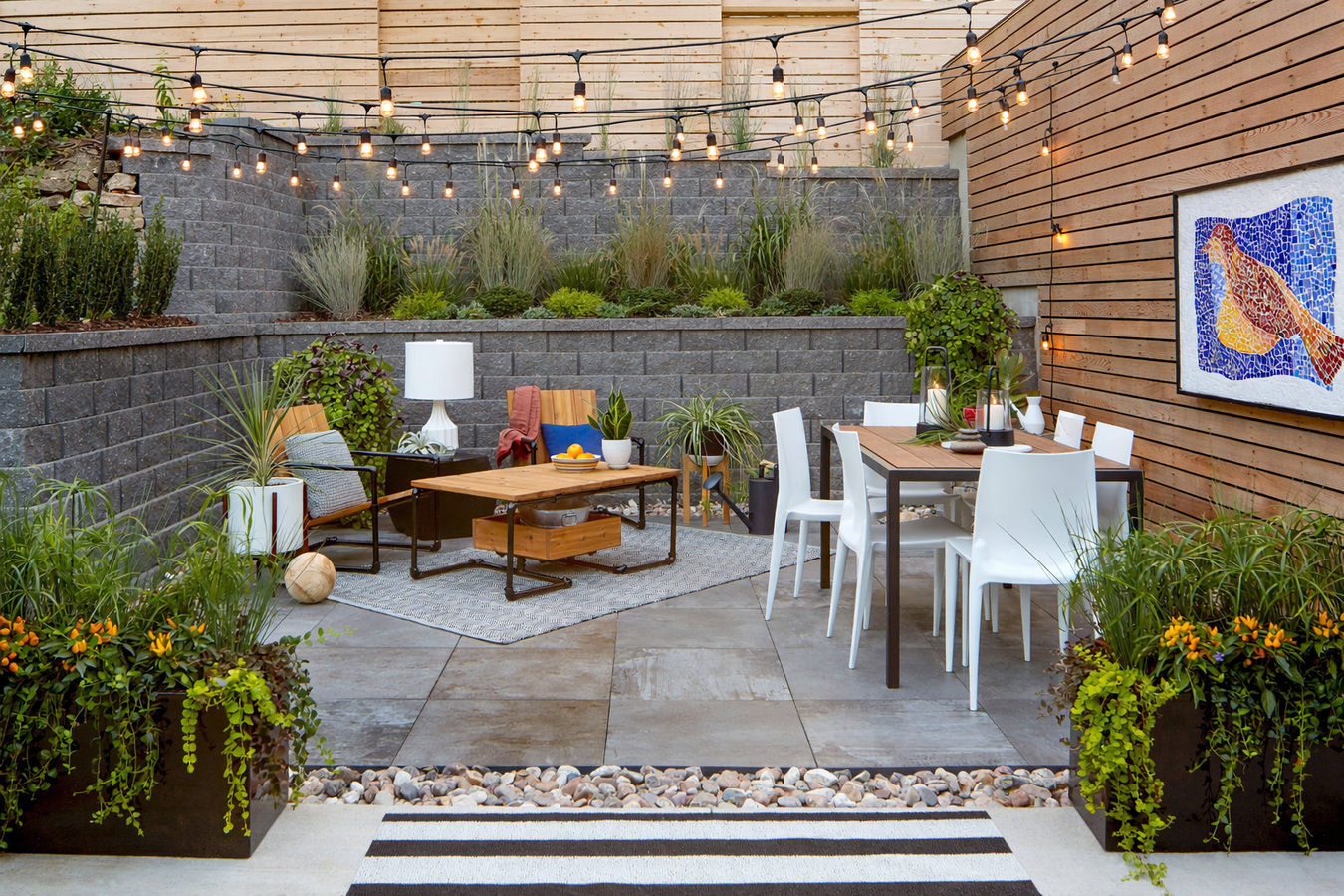
West Hartford's older Colonials and Tudors rarely came with finished outdoor living space as part of their original design. A concrete patio is the most durable low-maintenance option for these properties, and it stays flat in clay soil better than pavers that shift with every freeze-thaw cycle. Our concrete patio construction service includes drainage planning from the start, so water moves away from the foundation rather than pooling against it.
Many West Hartford driveways run under a canopy of oaks and maples that are 50 to 80 years old. Root pressure under the slab is one of the most common causes of driveway failure in this town, and standard patching does not solve the underlying problem. When we build a new driveway here, we assess root proximity and design expansion joints and base depth to give the surface the longest realistic lifespan on this specific lot.
West Hartford has strict sidewalk maintenance requirements, and the town periodically surveys streets for non-compliant walks. Tree roots under the public walk are the leading cause of heaved and cracked sections on the town's tree-lined residential streets. We coordinate with the West Hartford Department of Public Works when a repair affects the town right-of-way and ensure the finished work meets the town's surface and slope standards.
Larger-lot properties in the northern and western parts of West Hartford often have sloped rear yards where soil erosion is an ongoing problem. A properly drained concrete retaining wall stops the movement, protects the usable yard area, and handles the load from West Hartford's clay-heavy soil — which expands when wet and contracts when dry, putting constant lateral pressure on any wall that is not engineered for it.
Front entry steps on West Hartford's pre-1960 homes are some of the most heavily used concrete on the property and among the first to show freeze-thaw damage. Spalling surfaces, crumbling edges, and settled risers are liability issues in addition to eyesores on a well-kept street. We replace or rebuild steps with the frost depth and reinforcing needed to handle West Hartford winters without separating from the foundation over time.
The vast majority of West Hartford's housing stock was built between the 1920s and the 1950s. These are well-maintained, high-value homes — but they were designed before modern base preparation standards, modern drainage expectations, or the understanding that freeze-thaw pressure would cycle through Connecticut concrete more than 40 times in a typical year. Original driveways, walkways, and foundation surround areas on homes from this era were not built to last another 70 years without intervention.
West Hartford's tree canopy is one of the town's most valued features — and one of the most common sources of concrete damage on residential lots. Mature oaks, maples, and elms send root systems under driveways, walkways, and patios on a predictable timeline. A slab that looks fine at year five may be visibly heaved by year fifteen. Accounting for root proximity when establishing base depth, choosing expansion joint placement, and deciding on slab thickness is part of how we price and plan work in this town.
The clay-heavy glacial soil beneath much of West Hartford adds drainage complexity that contractors unfamiliar with the area may overlook. Clay expands when saturated and contracts in dry weather, moving the ground under a slab repeatedly throughout the year. Proper drainage grading away from the foundation — and adequate gravel base depth — are not optional on this soil type. Getting these details right at the start is what separates a 10-year surface from a 40-year one.
Our crew regularly pulls permits from the West Hartford Building Division for residential concrete projects in the town. We have worked on properties throughout West Hartford, from the closer-in streets near Elmwood and Fern Street to the larger-lot neighborhoods in the northern sections of town. The housing stock shifts noticeably from one end of town to the other, and we account for that in how we scope and price jobs here.
The streets near West Hartford Center — along Farmington Avenue and LaSalle Road — have tighter lots, smaller yards, and older drainage infrastructure that affects how projects are staged. Farther out, near the Bishops Corner area and north of Trout Brook Drive, lots are wider, equipment access is easier, and the projects tend to be larger. Elizabeth Park, on the West Hartford-Hartford border, is a landmark most of our West Hartford customers reference when describing their neighborhood, and it sits in an area we work in regularly.
We also serve homeowners in neighboring New Britain, where the factory-era housing stock has its own set of challenges, and we work throughout Hartford on a daily basis. If your property is near the West Hartford town line, we serve that area with no additional travel consideration.
We respond to every inquiry within 1 business day and can usually schedule a site visit within the same week. No fee to call, no obligation for an estimate.
We visit the property, check the existing surface, soil drainage, and root proximity, and give you a written price. The quote covers all materials, base prep, labor, and permit fees — no surprises on the invoice.
We file the required permits with the West Hartford Building Division before any work begins. Residential permits in West Hartford typically take one to two weeks, and we keep you updated on status so you know when the start date will be.
Concrete work on a standard West Hartford driveway or patio takes one to two days. We clean the site the same day work finishes and walk you through the curing period — concrete needs at least seven days before vehicle traffic.
We serve West Hartford homeowners from Elmwood to Bishops Corner. Free on-site quote, no pressure, 1 business day response.
(959) 333-3893West Hartford is a town of about 63,000 residents sitting directly west of Hartford. It has its own distinct identity — a walkable town center along Farmington Avenue and LaSalle Road, the Blue Back Square development, and a strong school system that draws long-term families who invest in their properties. Most of the residential neighborhoods were developed between the 1920s and the 1950s, giving the town a cohesive architectural character dominated by Colonials, Cape Cods, and Tudor-style homes on tree-lined streets. You can read more about the town's history at the West Hartford Wikipedia article.
The Elmwood neighborhood in the southern part of town is denser and has a higher concentration of two-family homes, while the neighborhoods north of Trout Brook Drive tend toward single-family homes on larger lots. Elizabeth Park, on the West Hartford-Hartford border, is one of the oldest municipal rose gardens in the country and a well-known landmark for residents of both towns. The Bishops Corner area near the intersection of New Britain Avenue and Flatbush Avenue is a retail hub that most residents use as a reference point for the north end of town.
West Hartford shares a border with Hartford to the east and is geographically close to New Britain to the south. Both areas are part of our regular service territory, and homeowners near the town lines are covered without any gap in coverage.
Durable concrete driveways designed for long-lasting performance and curb appeal.
Learn moreCustom concrete patios built for outdoor living, entertaining, and year-round use.
Learn moreDecorative stamped concrete that replicates stone, brick, or tile at a lower cost.
Learn moreSafe, smooth concrete sidewalks installed to code for residential and commercial properties.
Learn moreSolid, level garage floor concrete that resists cracking, staining, and heavy use.
Learn morePolished, stained, and textured decorative concrete for distinctive interior and exterior surfaces.
Learn moreStructural concrete retaining walls that control erosion and create usable yard space.
Learn moreProfessional concrete floor installation for basements, warehouses, and commercial spaces.
Learn moreSlip-resistant concrete pool decks built to withstand moisture, UV exposure, and foot traffic.
Learn moreCustom concrete steps and stoops that add safe, attractive entry points to any structure.
Learn moreEngineered concrete slab foundations sized and reinforced for residential and light commercial builds.
Learn moreFull concrete foundation installation, from excavation through finishing, for new construction projects.
Learn moreCommercial concrete parking lots built for heavy vehicle loads and long service life.
Learn moreProperly sized and poured concrete footings that provide stable support for structures of all types.
Learn moreFoundation raising and leveling to correct settling, cracking, and structural movement.
Learn morePrecision concrete cutting for utility access, expansion joints, and demolition projects.
Learn moreWest Hartford winters are hard on driveways, patios, and steps. The sooner we assess the damage, the more options you have before the next freeze.