Loading...
Serving Hartford, CT and surrounding areas. (959) 333-3893
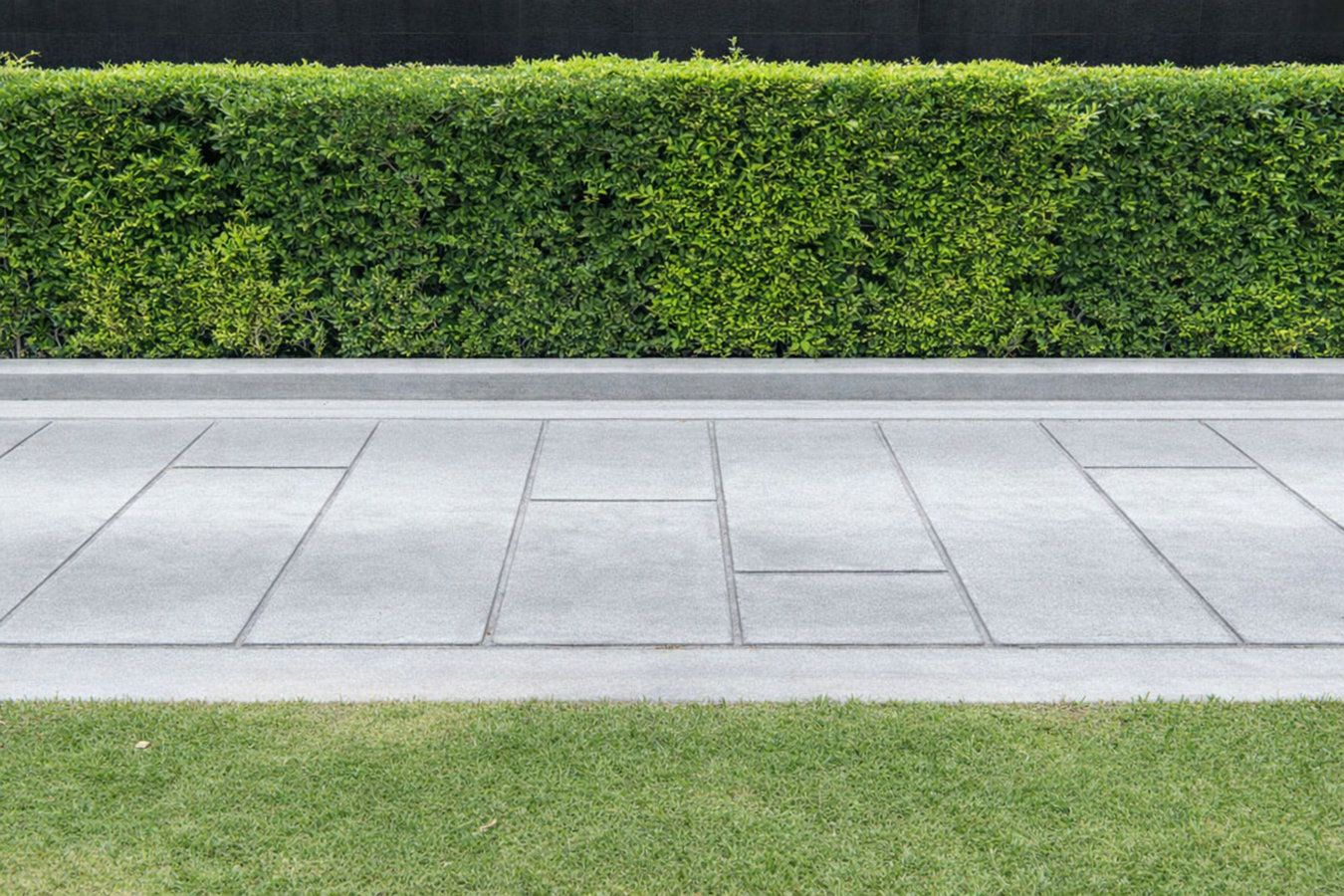
Replace a cracked, heaved, or hazardous walkway with a properly built concrete sidewalk that handles Hartford winters and passes city inspection.
Concrete sidewalk building in Hartford means removing the existing surface, preparing and compacting the ground underneath, setting forms, and pouring a properly finished slab, with most standard residential jobs completed in one to two days, plus curing time.
If your walkway has cracked, heaved, or created a tripping hazard, you already know a repair is overdue. The freeze-thaw cycles Hartford sees from November through March are the leading cause of concrete deterioration in this area, and a surface that was not built with that in mind rarely makes it more than a decade without problems. If you are also considering a more polished look for paths and entries, our concrete driveway building service applies the same preparation standards to larger paved surfaces.
We handle the full process from pulling permits through final cleanup, so you are not coordinating multiple contractors or making calls to the Building Department yourself.
If one section of your walkway sits noticeably higher or lower than the one next to it, that gap is a tripping hazard. In Hartford's older neighborhoods, this is usually caused by tree roots pushing up from below or frost heave shifting the slab over many winters. A lip of more than half an inch between sections is the point where replacement becomes a safety and liability issue.
If the top layer of your concrete is peeling away in thin chips or looks rough and pitted where it used to be smooth, that is spalling, a common result of Hartford's freeze-thaw cycles combined with road salt exposure. Light spalling can sometimes be patched, but if it covers a large area or goes deeper than the surface layer, full replacement is usually the more cost-effective long-term choice.
Small hairline cracks are normal and usually harmless. But if you can fit a pencil into a crack, or you have noticed a crack growing longer or wider over the past year, the structural integrity of the slab may be compromised. Water gets into those cracks in Hartford's winters, freezes, and widens them further each season.
Puddles sitting on your sidewalk after rain, or water collecting at the base of your front steps, indicate the slab has settled unevenly or the drainage underneath has failed. Standing water accelerates freeze-thaw damage and can direct water toward your foundation, a real concern in Hartford's older homes where basement waterproofing may already be marginal.
Our sidewalk work covers new construction, full replacements, and partial sections where only certain panels have failed. Every job includes demolition and removal of the old concrete if needed, proper subbase preparation, forming, the pour, a broom-textured finish for traction, and control joints at regular intervals to manage where the slab naturally wants to flex.
We also handle the permit process for projects that require city review. If your walkway connects to the public sidewalk strip near the street, Hartford's Building Department requires a permit before work starts, and we coordinate that so you do not have to. If your project is larger and includes a garage floor concrete pour or a full concrete driveway building project alongside the walkway, we can scope all of it together and minimize disruption.
Thickness is specified based on use, not a single standard. A walkway that will only see foot traffic is poured at four inches, while a section that a vehicle might cross, such as a driveway apron, is typically poured at six. We confirm the right spec for your site before anything is mixed.
Best for walkways that are cracked, heaved, or at the end of their service life and need a complete do-over.
Suited for homeowners adding a path where none exists, connecting a driveway to an entry or a back gate to the yard.
A good choice when only certain panels have failed and the surrounding concrete is still in sound condition.
Ideal for entries where grade changes require steps integrated into the new sidewalk layout.
Hartford averages more than 40 freeze-thaw cycles per year, making it one of the harder climates in the Northeast for concrete flatwork. Every time water trapped in or under a slab freezes, it expands and pushes against the surface. A sidewalk built without the right concrete mix, a compacted gravel base, or a proper surface finish will show cracking and flaking within a few years. That is not a failure of the material, it is a failure of the installation.
Hartford's older neighborhoods, including Blue Hills, Frog Hollow, and the South End, have a high share of homes built before 1950, many still on their original or early-replacement walkways. These areas also have mature street trees whose roots have grown under existing slabs for decades, which is one of the most common reasons sections heave and crack. When tree roots are involved, the approach to the new walkway has to account for root zones, and in some cases coordinate with the city about trees that sit on public property. The City of Hartford Building Department is the authority on permit requirements for sidewalk work near the public right-of-way.
We work regularly across Meriden, New Britain, and Manchester, where similar soil conditions and aging housing stock create the same sidewalk challenges. The American Concrete Institute publishes installation standards for cold-weather flatwork that inform how we spec every pour in this climate.
We visit your property to measure the area, assess the existing surface, and identify any complicating factors like tree roots or grade changes. You receive a written, itemized estimate covering removal, materials, labor, and any permit fees before any commitment is made.
If your project requires a Hartford Building Department permit, we handle the application. Permit review typically adds a few business days to the timeline, but it means the finished work will be independently inspected by the city, protecting you.
On the first day the crew breaks up and hauls away the old concrete, then grades and compacts the soil underneath. A gravel base layer is added for drainage and stability. This prep work is the part you will never see after the job is done, and it is what determines whether the slab lasts 30 years.
Concrete is poured, leveled, broom-textured, and cut with control joints. You can walk on it in 24 to 48 hours. Keep vehicles off it for at least one week. We coordinate the city inspection if required, and walk you through care instructions before we leave the site.
We respond within 1 business day. There is no obligation. After you submit, we will call to schedule a free on-site visit, measure your walkway, and give you a written price that covers everything, including removal and permit fees if needed.
(959) 333-3893When your project requires a Hartford Building Department permit, we pull it as part of the job. You do not make calls to the city, track application status, or schedule the inspection. We take care of all of it.
We work across 12 service areas in the Hartford region, which means we know the soil conditions, permit offices, and tree root situations specific to your neighborhood, not just Hartford in general.
Hartford's older neighborhoods have mature trees that often complicate sidewalk work. We assess root zones during the on-site estimate and plan the new walkway to reduce the chance of the same heaving problem recurring in five years.
You receive an itemized written estimate before we schedule a start date. If unexpected conditions come up during demolition, we call you before doing additional work. No sticker shock at the end, no verbal agreements that disappear.
Hartford Concrete Company is a Connecticut Home Improvement Contractor, verifiable through the Department of Consumer Protection online lookup before you sign anything. Our registration means you have a formal channel if anything ever goes wrong, and it means we are accountable to the same state standards every legitimate contractor in this market has to meet.
Resurface or replace a cracked, oil-stained garage floor with a durable concrete slab built to handle vehicle weight and Connecticut temperature swings.
Learn moreReplace a failing asphalt or concrete driveway with a new slab built to the same base-preparation and finish standards as our sidewalk work.
Learn moreContact Hartford Concrete Company today for a free on-site estimate, before Hartford's construction season books up for the spring.