Loading...
Serving Hartford, CT and surrounding areas. (959) 333-3893
Hartford clay soils hold water, winters freeze deep, and older homes carry complicated histories underground. We build foundations that account for all of it - proper depth, waterproofing, drainage, and every permit handled for you.
Foundation installation in Hartford covers excavation, footing placement, poured concrete wall construction, exterior waterproofing, and perimeter drainage - most residential projects run two to four weeks from first excavation to inspector sign-off, depending on size and site conditions.
A large share of Hartford's residential neighborhoods were built between the late 1800s and the 1950s. Many of those homes have original stone or brick foundations that were never designed for modern loads or moisture management. Whether you are building new or replacing an aged foundation in Frog Hollow, the South End, or Blue Hills, the soil and drainage realities here demand a contractor who understands Hartford specifically, not just concrete work in general.
If your project involves a ground-level addition rather than a full basement, our slab foundation building service may be the right fit. We can assess which approach makes more sense on the same site visit.
Cracks that start at the corners of door or window frames and run diagonally toward the ceiling are a common sign that the foundation beneath that part of the house has shifted or settled. In Hartford's older neighborhoods, decades of freeze-thaw cycles make this kind of movement more common than most homeowners realize. A crack you can fit a quarter into is wide enough to warrant a professional assessment.
When a foundation shifts, the frame of the house shifts with it - and that movement shows up first in doors and windows. If a door that used to swing freely now drags on the floor, or a window that opened easily now sticks, and you have ruled out humidity, the cause may be below the floor. This is especially worth watching after a particularly wet spring or a hard winter.
Hartford's clay soils hold water close to foundation walls. A foundation that was not properly waterproofed, or one whose waterproofing has aged out, will eventually let that water in. Puddles, damp patches, or a persistent musty smell after a heavy rain or during spring snowmelt suggest the foundation's water protection is compromised. This is one of the most common issues in Hartford homes built before 1960.
Stand in your basement and look at the walls. They should be straight and vertical. If a wall appears to bow inward - even slightly - soil pressure from outside is pushing against it. Hartford's clay soils are particularly prone to this because wet clay expands and exerts significant lateral force against foundation walls. A wall that is bowing needs professional evaluation before it becomes a structural emergency.
Every foundation project starts with a free on-site visit. We look at your soil conditions, assess drainage patterns, and take measurements before giving you a written estimate. Foundation work varies too much from property to property to quote over the phone - the condition of your soil, the depth required, and the drainage situation all affect the number.
We handle new foundation installation for residential new builds and additions, full foundation replacement for homes with failed or outdated foundations, and foundation wall repair for structures where partial replacement is the appropriate scope. Every job includes exterior waterproofing and a perimeter drainage system as standard - not as an add-on. Waterproofing without drainage does not work in Hartford's clay soil conditions, and we do not separate them. For projects that also include a ground-level slab component, our slab foundation building service is typically scoped into the same contract.
The National Association of Home Builders and the American Concrete Institute both publish residential foundation standards that inform how we approach every project. Hartford's building department inspects against those same standards before and after the pour.
Best for new home construction, ground-up additions, and detached structures requiring a full poured concrete foundation.
Best for homes with original stone, brick, or deteriorated concrete foundations that need full removal and replacement.
Best for homes where one or two walls have structural damage but the rest of the foundation is sound.
Hartford winters mean foundations are dug deeper here than in most of the country. The frost line sits at roughly 36 to 42 inches, and footings that do not reach below it will be pushed up and down by the freezing and thawing ground each winter. That movement causes cracking, settling, and eventually structural failure. The extra excavation depth adds cost, but there is no way around it if you want a foundation that holds for decades.
Hartford also has significant clay content in its glacially deposited soils. Clay holds water rather than draining it, which means water pools against foundation walls after every rain event and every spring thaw. Homes built in neighborhoods like Asylum Hill, the South End, and Blue Hills before modern drainage standards were common often show water intrusion after wet seasons because the original foundation work did not account for this. A new or replacement foundation installation must include proper waterproofing and drainage from the start.
We serve foundation installation projects throughout Hartford and the surrounding region. Homeowners in New Haven, Waterbury, and Manchester face the same soil and frost challenges, and we adjust our approach to each property accordingly.
Reach out by phone or contact form and we respond within one business day. We schedule a free on-site visit to assess your lot, look at drainage patterns, and take measurements. Foundation work cannot be quoted accurately without seeing the property.
We handle the Hartford building permit and coordinate the required city inspections as part of our process. Plan for one to three weeks between signing a contract and excavation starting. No foundation work begins without the permit in hand.
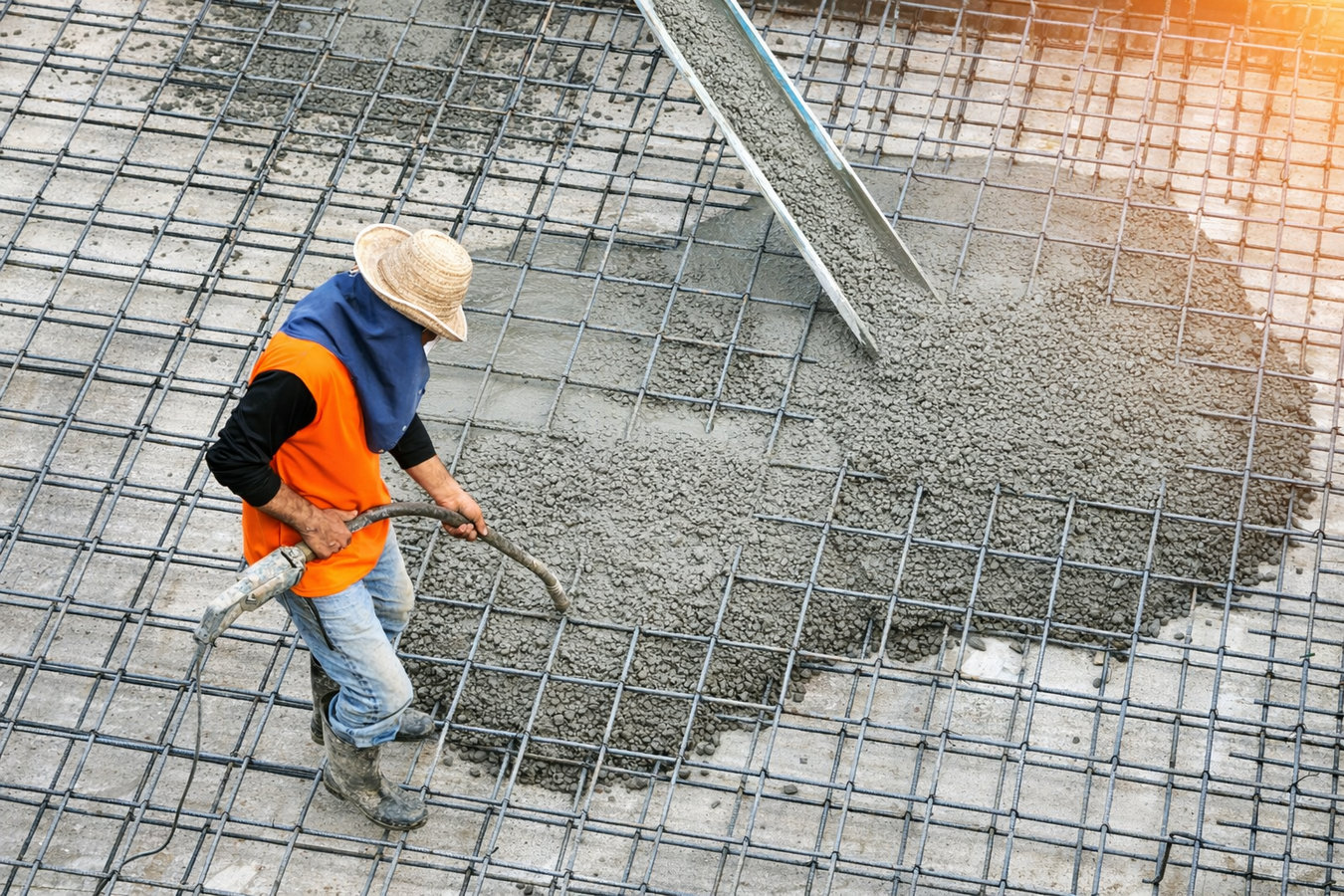
The crew excavates to depth, prepares the base, sets forms, and places reinforcing steel. A city inspector signs off before the concrete is poured. The pour itself happens in a single continuous operation to avoid weak joints.
After the forms come off, the exterior walls are waterproofed and a perimeter drainage system is installed. The excavated soil is backfilled and compacted in layers. A final city inspection occurs before the project is closed out.
Free on-site visit, no phone quotes, permits and inspections handled for you from start to finish.
(959) 333-3893We include exterior waterproofing and a perimeter drainage system in every foundation installation - not as an upgrade, not as an option. Hartford's clay soil makes both non-negotiable. A foundation without proper drainage will eventually let water in, and that damage compounds over years.
We serve 12 towns across the Hartford region, from New Haven to Enfield. The same licensed crew and the same construction process applies on every job. You are not getting a subcontractor we met last month.
We pull the Hartford building permit, schedule city inspections at every required stage, and are present when the inspector arrives. If your property has conditions that will cost more to address, we tell you before the contract is signed - not after the excavator has already dug.
Much of Hartford was built before modern foundation standards existed. We have replaced original stone foundations, underpinned settling walls, and corrected drainage failures in homes throughout the city's oldest neighborhoods. This is not theoretical knowledge.
Foundation installation is the most consequential concrete work a Hartford homeowner can commission. Everything above ground depends on it. We take the permit process, the inspection schedule, and the soil assessment seriously because skipping any one of those steps is what causes the problems you will be dealing with ten years from now.
Poured concrete parking lots and commercial pads designed for Hartford traffic loads and freeze-thaw conditions.
Learn moreGround-level concrete slab foundations for additions, garages, and accessory structures built to Hartford code.
Learn moreSpring slots fill fast - reach out now before the construction season rush and lock in your preferred start date.