Loading...
Serving Hartford, CT and surrounding areas. (959) 333-3893
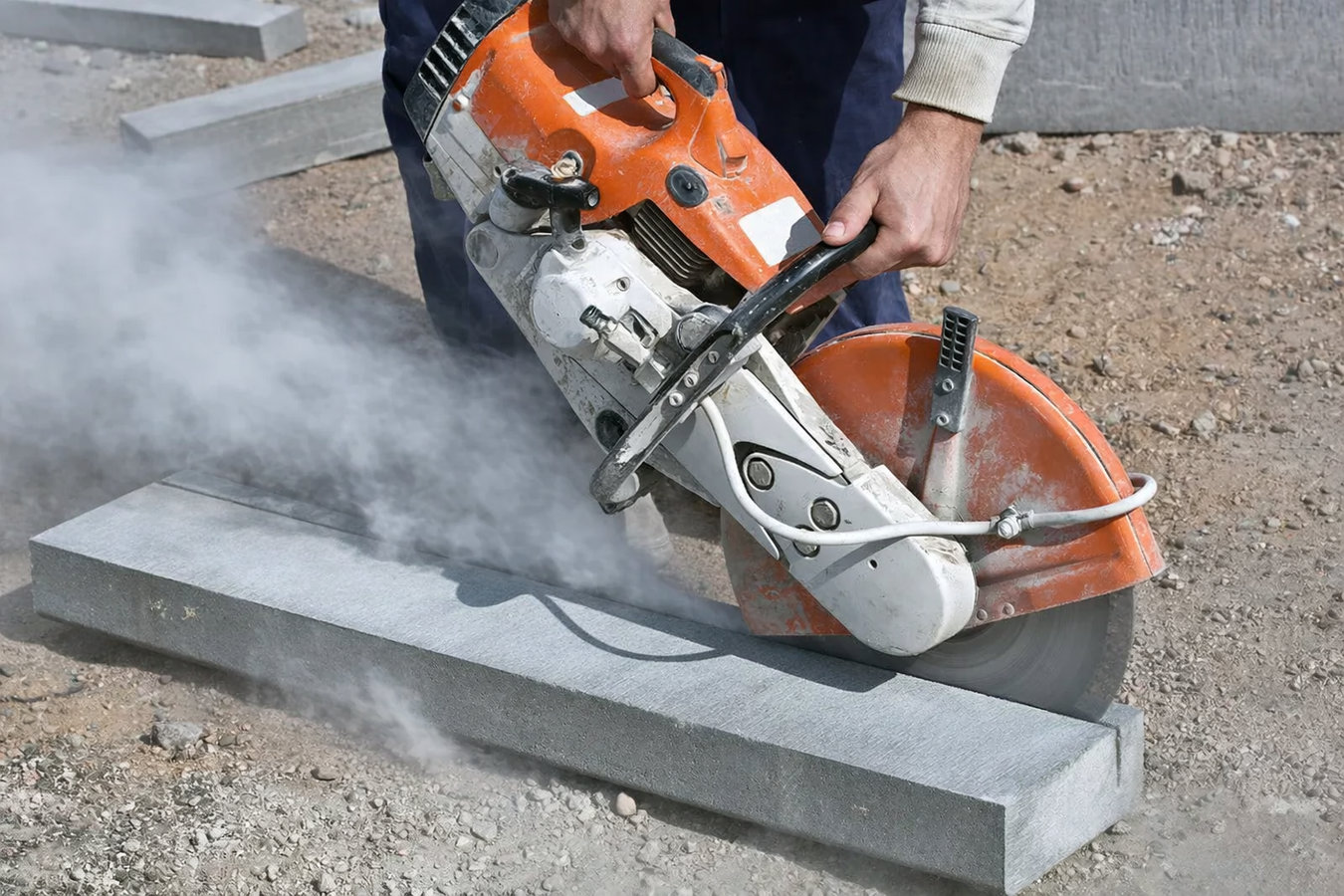
Whether you need a drain channel in a basement floor, an opening in a foundation wall, or a damaged slab section removed, precision concrete cutting gets the job done cleanly without damaging the surrounding structure.
Concrete cutting in Hartford uses diamond-blade saws and wall-mounted equipment to slice through hardened concrete cleanly and precisely - most residential jobs are complete in a single day, from setup to cleanup, with no curing time needed for the cut itself.
Hartford homeowners run into this need more often than most. A large share of the city's housing stock was built before 1960, and those homes frequently need concrete cutting when owners add egress windows to basements, install new floor drains, run utility lines under slabs, or remove sections damaged by Hartford's aggressive freeze-thaw cycle. The freeze-thaw cycle - which repeats dozens of times each winter here - drives water into small cracks, widens them over years, and eventually creates sections that need to come out entirely.
If a section needs to be cut out and replaced, we can handle the new pour as well. Our concrete driveway building and slab work is often combined with cutting when a damaged section is the starting point for a larger repair.
If you have patched the same crack two or three times and it reopens after every winter, the freeze-thaw cycle has likely damaged the concrete beyond what surface patching can fix. Hartford winters are hard on concrete, and repeated cracking in the same spot usually means the damaged section needs to be cut out and replaced properly.
Adding an egress window for a bedroom, finishing a basement, or running a new drain line all require cutting through the existing concrete. This is one of the most common reasons Hartford homeowners call a concrete cutting contractor, especially in older homes that need these upgrades to meet current safety or livability standards.
If part of your patio, garage floor, or driveway has risen or sunk noticeably relative to the surrounding concrete, the section may need to be cut out and reset. In Hartford, this is often caused by frost heave in winter or by soil that has shifted over time. A section that rocks underfoot or has a visible lip is a trip hazard.
Any time you are adding a bathroom, relocating a floor drain, or running new electrical conduit under a slab, concrete cutting will be required. If your renovation plans include anything below the surface of a concrete floor or wall, cutting is almost certainly part of the job.
Every cutting job starts with an in-person assessment. We look at the concrete, measure what needs to be cut, and check for complications - like reinforcing steel inside the slab, nearby utilities, or tight access on your lot. You get a written estimate that includes labor and cleanup before any work is scheduled. We do not quote cutting jobs over the phone, because the thickness of the concrete and site conditions change the price more than most homeowners expect.
We use walk-behind flat saws for horizontal work on floors, driveways, and slabs, and wall saws for vertical cuts on foundation walls and basement perimeters. All indoor work uses wet cutting with water suppression to control silica dust - a requirement under federal workplace safety rules and a protection for your family as well as our crew. The OSHA Respirable Crystalline Silica standard sets the baseline, and we meet it on every job.
If your project requires a permit from Hartford's Building Inspection Division, we handle the application and coordinate the inspection schedule so your project does not stall waiting on paperwork. For large-area cutting on commercial or multi-family surfaces, we also handle concrete parking lot building and section replacement as part of the same scope.
Best for cutting trenches, drain channels, or damaged sections out of horizontal concrete surfaces.
Best for creating openings in basement walls for windows, doors, utility penetrations, or egress.
Best when a cut section needs to be hauled away and the area prepared for new concrete or a drain installation.
Hartford averages around 30 to 40 freeze-thaw cycles per year. Water seeps into small cracks in concrete, freezes, expands, and widens those cracks over and over again. This is one of the main reasons Hartford homeowners need concrete cutting more often than homeowners in warmer climates - damaged sections need to come out before the deterioration spreads to the surrounding concrete.
A large share of Hartford's residential housing was built before 1960, and much of that older concrete is thicker and harder than modern mixes. It also sometimes contains reinforcing steel that was not documented anywhere, which affects the equipment needed and the time the job takes. Hartford's urban density creates access challenges too - tight lots and narrow driveways in neighborhoods like Frog Hollow and the South End require more setup than a suburban job with open access.
We regularly work on cutting projects in New Britain, West Hartford, and Waterbury, where older concrete and tight urban lots present the same challenges as in Hartford. Let us know the age of your home when you call - it helps us come prepared with the right equipment.
Tell us what you are trying to accomplish and where the concrete is. We respond within 1 business day and schedule a free site visit - we want to see the concrete in person before giving you a price because thickness and access affect cost significantly.
We measure the cut, check for steel reinforcement and nearby utilities, and give you a written quote. We also tell you upfront whether your project requires a permit from Hartford's Building Inspection Division and handle that application for you.
The crew marks the cut lines, seals off the area to contain dust, and completes the cutting. Most residential jobs finish in a single day. Expect noise at the level of a powerful saw, and plan to keep children and pets away from the work area.
Before leaving, we walk you through the completed cuts, confirm they are where they need to be, and leave the area clean. If the cutting is part of a larger project, we tell you what the space needs to be ready for the next phase of work.
Free on-site assessment, written estimate, permit handling included. We respond within 1 business day.
(959) 333-3893Pre-1960 concrete is thicker, harder, and often reinforced in ways that were never documented. We assess the slab in person before quoting so the price you agree to is the price you pay - no surprises on the day of the job because the concrete turned out tougher than expected.
Many cutting jobs in Hartford trigger a permit through the Building Inspection Division. We handle the application, track the approval, and schedule the cutting day around it - so your project keeps moving without you needing to make a trip to City Hall.
Concrete cutting produces fine silica dust that is harmful if inhaled. We use water suppression and containment on every indoor job, consistent with federal workplace safety requirements. Your home will not be coated in concrete dust when we leave.
Connecticut requires contractors doing home improvement work to carry a state registration through the Department of Consumer Protection. You can verify our registration on the state's license lookup before signing anything - a legitimate contractor hands over that number without hesitation.
Concrete cutting is usually one step in a bigger project, and how it is handled determines whether what comes next goes smoothly. Hartford Concrete Company treats the cut as the foundation for the rest of your job - precise, contained, and ready for whatever follows.
When a driveway section is cut out and removed, a full new pour restores a clean, level surface built for Hartford winters.
Learn moreLarge-area cutting for drainage retrofits and section replacement in commercial or multi-family parking surfaces.
Learn moreHartford's spring renovation season books fast. Contact Hartford Concrete Company now for a free on-site estimate and a clear timeline for your cutting project.