Loading...
Serving Hartford, CT and surrounding areas. (959) 333-3893
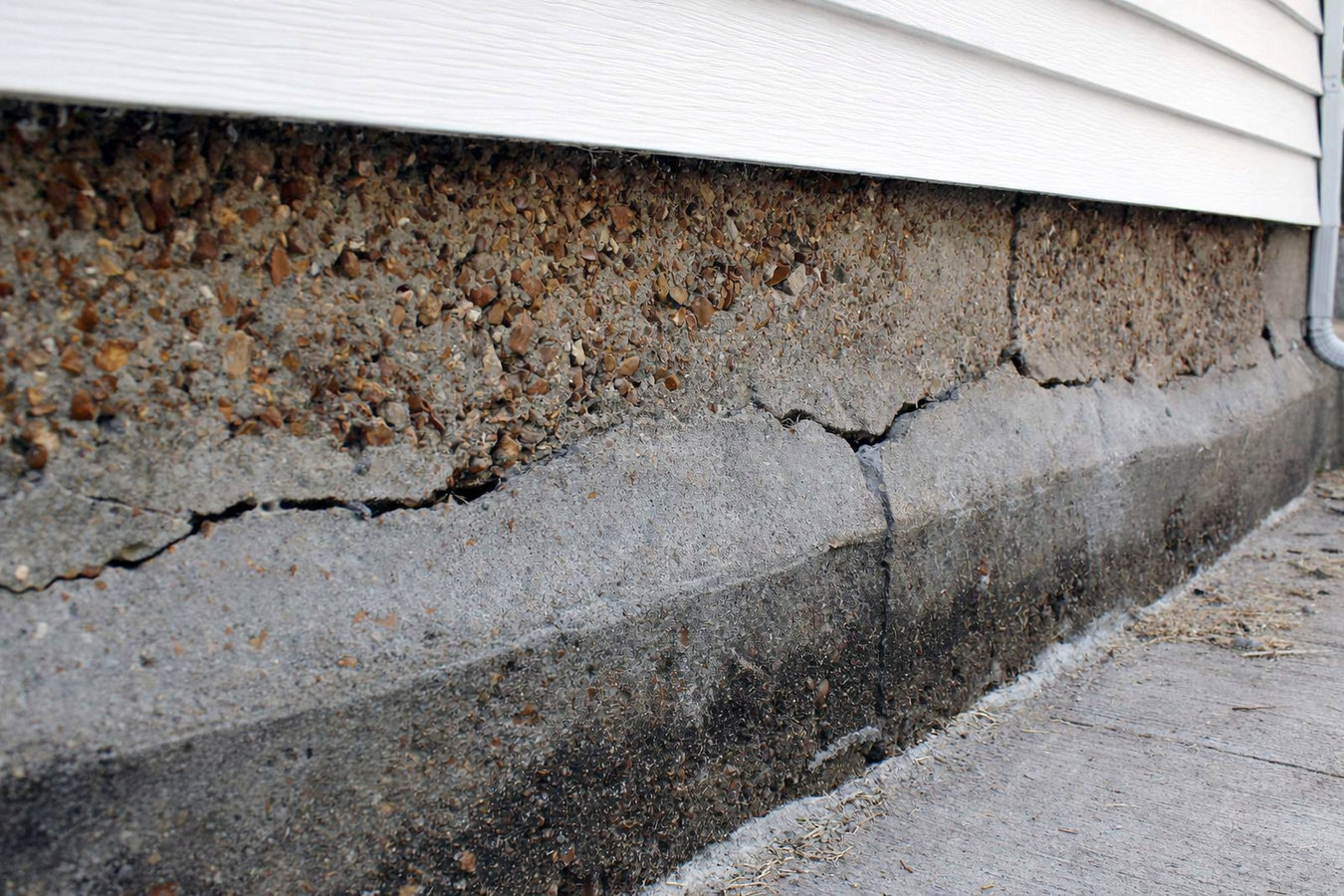
A sunken foundation or settled slab will not fix itself. We lift uneven concrete back to level, fill the voids underneath, and address the drainage issues that caused the problem in the first place.
Foundation raising in Hartford means pumping material beneath a sunken slab to fill the voids underneath and push the concrete back to level - most jobs are complete in two to eight hours, and you can walk on the surface the same day.
Hartford homeowners face this problem more often than most. The city averages over 130 days per year below freezing, and the ground can freeze several feet deep in a hard winter. Every freeze-thaw cycle expands and contracts the soil underneath your slab, and over years that movement leaves voids that the concrete gradually drops into. Older homes in neighborhoods like Frog Hollow, Blue Hills, and the West End are especially prone to this because original soil compaction was minimal by today's standards.
If the slab is structurally compromised rather than simply settled, the right answer may be a full replacement rather than lifting. We also handle slab foundation building for situations where the concrete itself is past saving.
If you set a ball on your basement floor and it rolls on its own, or you feel a tilt when walking across it, the slab has likely settled unevenly. This is one of the clearest signs that soil underneath has shifted. In Hartford's older homes, it shows up first in basements and attached garages.
It is common to notice new cracks in the spring that were not there the previous fall. Hairline cracks can be normal, but cracks wider than a quarter-inch - or cracks that are growing - signal that the foundation has moved. Water seeping through those cracks during spring rains makes this urgent.
When a foundation shifts, the house frame shifts with it, and doors and windows start to stick, fail to latch, or show visible gaps at the corners. This is especially common in Hartford's older wood-frame homes. If it started after a particularly cold or wet season, the foundation is the first place to investigate.
A gap between your front steps and the foundation wall, or between an exterior concrete pad and the house, is a reliable sign that the concrete has settled. This is a common finding in Hartford homes built before 1970, where exterior slabs were often poured directly on uncompacted fill. It is also a trip hazard.
Every job starts with an on-site assessment. We walk the settled area with you, check the extent of the movement, look at the drainage situation around the house, and tell you whether raising is the right solution or whether the slab needs to be replaced. You get a written estimate before any work is scheduled - we do not do phone quotes for foundation work, because the soil conditions underneath your specific slab change the price.
We use two methods depending on what we find: mudjacking, where we pump a cement-and-soil slurry beneath the slab, and polyurethane foam injection, where expanding foam fills voids and lifts the concrete more quickly. Foam cures in minutes, leaves smaller holes, and holds up better in wet conditions - which matters in Hartford's rainy springs. For drainage issues that contributed to the settling, we can recommend grading corrections and downspout extensions as part of the same project.
If the cause of the settling involves conditions that go deeper than the slab - compaction failures, root intrusion, or chronic drainage - we discuss whether complementary work like concrete cutting for drainage channels makes sense alongside the lift. The American Society of Concrete Contractors maintains guidance on slabjacking best practices that informs how we approach every lift.
Best for larger areas where upfront cost matters and soil conditions are stable enough to hold a cement slurry.
Best for smaller or more precise lifts, and for areas with chronic moisture where a cement slurry might wash out.
Best added when pooling water or poor grading near the foundation caused or contributed to the settling.
Hartford sits on glacially deposited soils with a significant clay content. Clay holds water rather than draining it, and it swells when wet and shrinks when it dries. That constant movement is hard on any foundation sitting on top of it. Pair that with Hartford's 130-plus days below freezing each year, and you have conditions that put more stress on concrete slabs than most places in the country.
A large share of Hartford's housing stock was built before 1960. Foundations from that era were often set on soil that was never properly compacted, and drainage systems that were adequate decades ago may no longer be keeping up. If your home is more than 50 years old, it is worth having a contractor look at the foundation even if you have not noticed obvious problems yet. Spring thaw is the busiest season for this kind of work, so scheduling in late fall or early spring before the rush gives you shorter wait times.
We regularly serve homeowners in West Hartford, New Britain, and Manchester, where older housing ages and clay soil conditions present the same challenges as in Hartford proper.
Tell us where the settling is, how long you have noticed it, and whether you have seen any cracks or water. We respond within 1 business day and schedule a free on-site visit - no charge to come out and look.
We walk the area with you, assess the settling and drainage situation, and tell you on the spot whether raising or replacement is the right call. You receive a written estimate before any work is scheduled.
The crew drills small holes in a grid pattern, pumps the lifting material beneath the slab, and you will see the concrete rise as voids fill. Most residential jobs are done in a few hours; holes are patched before the crew leaves.
We walk the repaired area with you, confirm the slab is level, and point out any drainage issues to address to protect the repair. Foot traffic is typically fine the same day; vehicle traffic waits 24 hours.
Free on-site assessment, written estimate, no obligation. We respond within 1 business day.
(959) 333-3893Hartford's climate is among the harshest in New England for concrete. We build every lift with post-repair drainage in mind because a fix that ignores the water problem will fail again inside a few years.
Connecticut requires contractors doing foundation and structural work to carry a Home Improvement Contractor registration through the Department of Consumer Protection. You can verify our registration on the state's license lookup tool before you sign anything.
A large share of Hartford's housing was built before modern compaction standards existed. We assess the condition of the concrete and the soil underneath before recommending raising versus replacement - so you get an honest answer, not just a sale.
Foundation raising prices depend heavily on what is underneath the slab. We never quote foundation work over the phone. Every written estimate includes a breakdown of labor, materials, and any drainage recommendations, and it does not change on the day of the job.
Hartford Concrete Company has worked on foundations across Hartford's oldest neighborhoods, from the Victorian homes of the West End to the worker-era triple-deckers of Frog Hollow. We know what clay soils and old fill do to foundations over time, and we know how to lift a slab and keep it level through what Connecticut winters bring.
Precision saw cuts for drainage channels, utility openings, and section removal - often paired with foundation repair work.
Learn moreWhen a slab is beyond lifting, a full new slab may be the right answer - we handle that too.
Learn moreHartford's freeze-thaw season is coming. Call Hartford Concrete Company today for a free on-site assessment and written estimate - scheduling fills up fast in the spring.