Loading...
Serving Hartford, CT and surrounding areas. (959) 333-3893
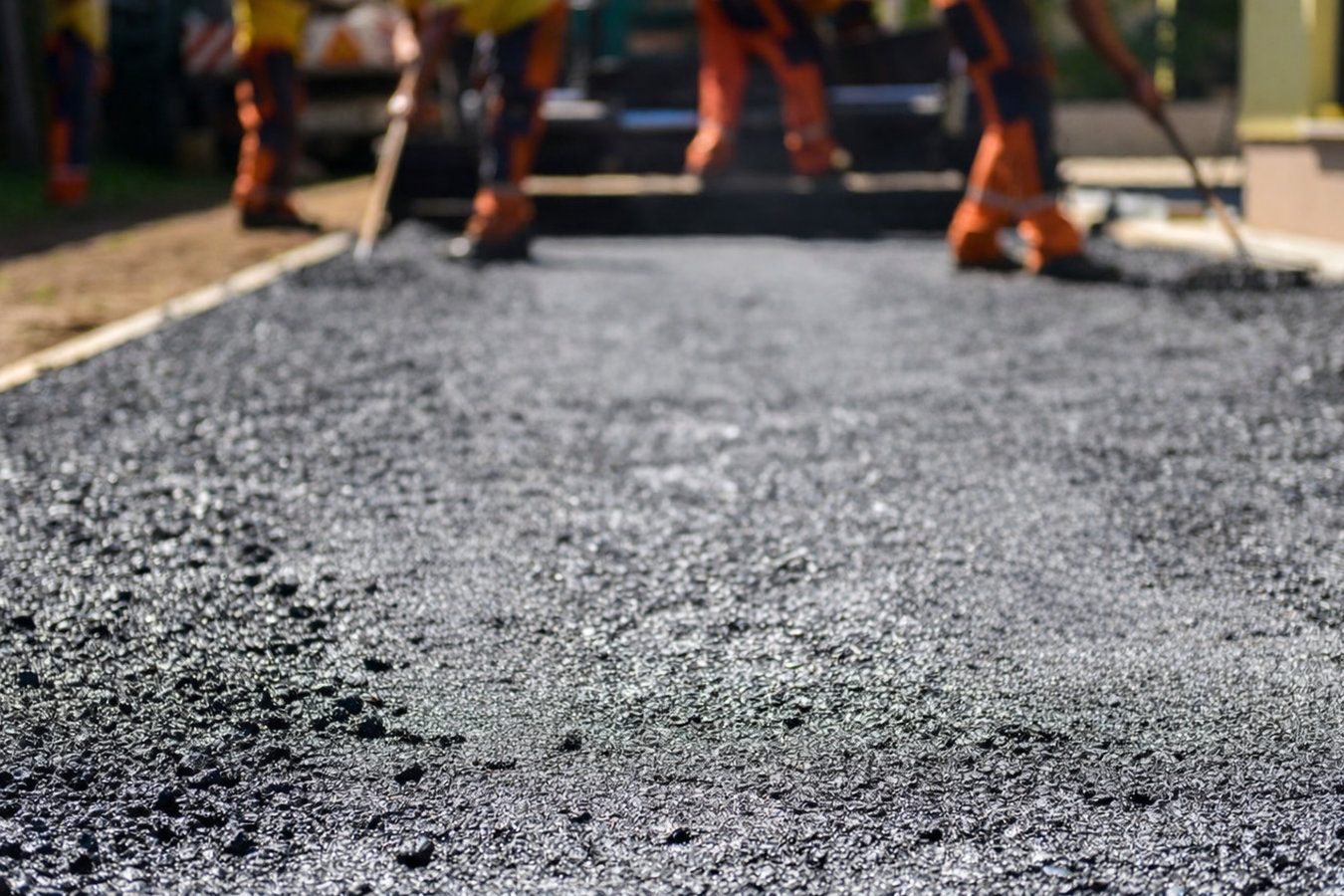
Crumbling asphalt and rut-filled gravel parking areas cost you more every season. A properly built concrete lot handles Hartford winters, heavy daily use, and road salt without falling apart — and we pull permits, prep the base, and handle the pour from start to finish.
Concrete parking lot building in Hartford means removing the existing surface, grading the ground for drainage, compacting a crushed-stone base, and pouring a reinforced slab — most residential and small commercial lots take one to two weeks from demolition to a surface you can drive on, with most of that time spent waiting for the concrete to cure.
Hartford properties, especially older ones in neighborhoods like Blue Hills, Frog Hollow, and the South End, often have crumbling asphalt or decades-old concrete that has been patched well past its useful life. When that surface comes out, what is underneath matters just as much as the new concrete going in. Clay-heavy glacial soils shift with Hartford's wet springs and dry summers, which means base preparation here demands more attention than in a drier climate.
If your project includes structural work below grade, our concrete footings service can be scoped alongside a lot installation for any perimeter structures, posts, or site improvements that need buried support.
If cracks that looked manageable in October are two inches wide by March, the surface has reached the end of its life. Hartford's freeze-thaw cycle turns small cracks into large ones fast — water enters, freezes, expands, and the crack grows. Patching buys a season or two, not years.
Pooling water is not just an inconvenience. It refreezes overnight and accelerates surface damage, and in Hartford's springs it can happen for weeks at a time. If water does not drain within an hour of rain stopping, the surface has settled unevenly or was never graded correctly. A new lot with proper drainage design fixes this permanently.
Many Hartford properties, particularly older ones with unpaved rear lots, deal with mud, ruts, and gravel tracking into buildings every wet season. A concrete surface eliminates those problems entirely and adds real property value. Multi-family owners especially find the return on a paved lot comes back quickly in reduced maintenance and tenant satisfaction.
When the edges of a parking surface crumble easily or the material around drain openings starts breaking apart, the base underneath is failing. Once water gets under the slab, damage accelerates quickly. If you can kick loose chunks from the edge of your surface, patching is no longer the right answer.
Every parking lot project begins with a free on-site visit. We measure the area, assess how water currently drains, evaluate whether the existing surface needs demolition, and give you a written estimate that breaks down labor, materials, permit fees, and hauling separately. There are no phone quotes for jobs where site conditions affect the price.
We handle full lot replacement from demolition through final finish, new lot construction on unpaved sites, and lot expansions for properties that need additional parking. Control joints are cut at proper intervals so if the slab does move, cracks follow those lines rather than running randomly. For properties that also need a new driveway approach, our concrete driveway building service can be scoped into the same project to keep scheduling and base preparation coordinated.
Hartford requires a permit for most paving projects that change drainage patterns or exceed a threshold size. We pull the permit and handle any required inspections through the city — you do not need to coordinate with the Building Department yourself. The American Concrete Institute publishes industry standards for slab thickness, joint placement, and cold-weather concrete procedures that guide how we spec every job.
Best for existing lots with widespread cracking, drainage failure, or a surface past the point of repair.
Best for converting gravel, dirt, or asphalt to a permanent concrete surface on a previously unpaved site.
Best for adding parking stalls, widening an existing lot, or extending a surface toward a new entrance.
Hartford averages around 40 inches of snow per year, and temperatures regularly swing above and below freezing multiple times in a single week from November through March. Every time water gets into a small crack and then freezes, it expands and makes the crack bigger. This means the concrete mix used in Hartford needs to be specifically formulated for freeze-thaw resistance, and control joints must be placed correctly from the start. A contractor who skips either of those steps is delivering a lot that will show problems within two or three winters.
Road salt is another real factor here. Connecticut crews apply salt heavily throughout winter, and that salt gets tracked onto private parking surfaces by every vehicle that enters. Salt accelerates surface deterioration in concrete that has not been properly sealed or was mixed without air-entrainment for freeze-thaw resistance. Applying a penetrating sealer after the 28-day cure period is not optional maintenance in Hartford — it is what keeps your investment intact through the years.
We serve property owners throughout the Hartford area, including New Britain, West Hartford, and Manchester. Soil conditions and drainage characteristics vary across the region, and we account for those differences in every site assessment.
Call or submit a form and we respond within 1 business day. We schedule a free on-site visit — no phone quotes for jobs where the ground condition and drainage situation affect the price.
Once you approve the written estimate, we pull the required Hartford Building Department permit. This typically adds one to two weeks before work begins; we build that into your timeline so there are no surprises.
The crew removes the existing surface, hauls it away, grades the ground, and compacts a crushed-stone base. This phase is the most important structural work — it is what keeps the finished slab from cracking or settling.
The concrete is poured and finished in a single day for most lots. Control joints are cut the same day or the next morning. Foot traffic is safe after 24 to 48 hours; keep vehicles off for at least seven days. We walk you through the finished surface before we leave.
We respond within 1 business day. There is no obligation after the estimate. We will schedule a free on-site visit to measure your lot, assess drainage, and give you a written breakdown before any work begins.
(959) 333-3893Hartford Concrete Company holds a Connecticut Home Improvement Contractor registration and carries general liability and workers compensation insurance on every job. You are protected if anything goes wrong on your property during construction.
We pull every required permit from Hartford's Building Department and manage city inspections on your behalf. An unpermitted lot is a liability at resale or refinance — a fact many property owners find out the hard way. We make sure the work is on record.
We specify air-entrained concrete formulated for Connecticut winters and compact the subbase to the depth Hartford's clay-heavy soils demand. The Portland Cement Association sets the standards we follow — this is not a shortcut we skip to save a few dollars per square foot.
Hartford's frost line requires structural site work to go well below the surface. We account for this in every parking lot project that includes perimeter structures or embedded elements — which is why our lots do not heave or settle after the first hard winter.
Hartford's older housing stock, clay soils, and hard winters create a real test for any paved surface. We built this business around doing the preparatory work that most contractors rush — because that is where the difference between a 10-year lot and a 35-year lot is made.
Structural footings dug to Hartford's 48-inch frost depth to anchor any new lot perimeter or site structure.
Learn moreResidential driveway installation using the same base preparation and cold-climate mix as our commercial lots.
Learn moreSpring slots fill fast — reach out now for a free on-site estimate and lock in your project before the summer rush.