Loading...
Serving Hartford, CT and surrounding areas. (959) 333-3893
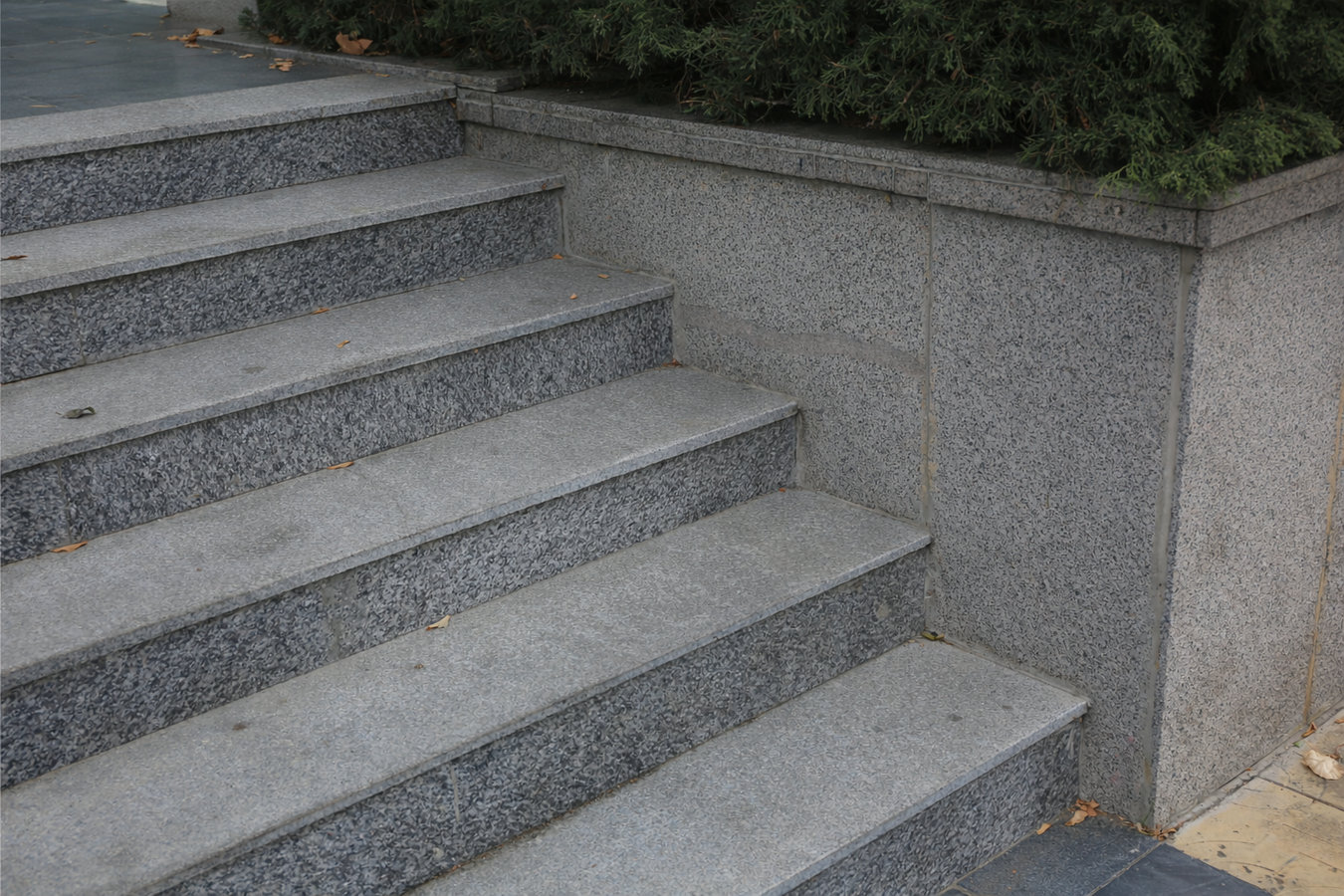
Cracked, sinking, or flaking entry steps are a fall risk and a sign the structure underneath has been compromised. We build and replace concrete steps on Hartford homes using the right mix for freeze-thaw winters, proper base preparation for this city's clay soil, and broom finishes that hold traction on wet and icy surfaces.
Concrete steps construction in Hartford means demolishing the old set, excavating and compacting the base, setting forms with steel reinforcement inside, pouring the concrete, and finishing with a broom texture for traction - most jobs take one to two days on-site, with a seven-day cure before full use.
A large share of Hartford homes were built before 1950, and many of them still have their original front steps. Even steps that look intact from the outside may have internal cracking, rebar corrosion, or a base that was never properly prepared for Hartford's clay-heavy soil. Clay expands when wet and contracts when dry, and that movement puts stress on any concrete structure that was not designed to accommodate it.
If the steps connect to a front walk or a path leading to the driveway, our concrete sidewalk building service is often coordinated on the same project visit to keep the grade and finish consistent from steps to street.
Small hairline cracks are common, but if you can see cracks wider than a pencil tip, or cracks that run all the way across a step, the structure is compromised. Hartford's freeze-thaw cycle forces these cracks open wider each winter as water freezes inside them. A crack that looked minor last spring will be noticeably worse by next spring without intervention.
Spalling, where the top layer of concrete chips away, is extremely common on Hartford steps exposed to road salt and the wrong de-icers over many winters. It starts as small patches but eventually exposes the rougher material underneath, which accelerates the damage. Once spalling covers more than a quarter of a step's surface, patching is usually less effective than replacement.
If any step rocks slightly when you stand on it, or if the whole staircase feels like it has shifted away from the house, the base has settled or eroded. This is a safety issue, not just a cosmetic one. Hartford's clay-heavy soil makes this kind of settling more common than in areas with sandier ground, particularly in neighborhoods with mature tree roots nearby.
Many Hartford homes in the West End, Asylum Hill, and Clay Arsenal still have their original front steps, some of which are 80 or more years old. Even if they appear intact, older steps may have internal cracking or rebar corrosion not visible from the surface. A contractor can assess them quickly and tell you whether they are safe for another decade or due for replacement.
Every steps project begins with a free on-site visit. We look at your existing steps, check the base condition, and assess whether the surrounding foundation sill or masonry needs attention at the same time. You get a written estimate that breaks out demolition, base prep, the pour, and any finishing work separately. We do not give phone quotes for steps because the condition of the existing base and the amount of demolition needed directly affect the price.
We handle full step replacement from demolition through the final broom finish, as well as new step construction for homes that currently have deteriorated wood, brick, or brownstone entries. Every set we build includes steel reinforcement inside the concrete, a properly compacted gravel base, and control joints placed to manage the natural movement of the material. For projects that include a landing or a connecting walkway, we can tie in slab foundation building work on the same visit if the ground-level slab also needs attention.
Hartford requires a building permit for exterior structural work including new or replacement steps. We pull the permit and coordinate the city inspection. The City of Hartford Building Department lists current permit requirements on its website if you want to review them before calling us.
Best for steps that are sinking, have structural cracks, or feel unstable - where patching would not address the underlying problem.
Best for homes replacing deteriorated wood, brick, or brownstone entries with a permanent, low-maintenance concrete staircase.
Best for entries that need a level landing at the top, wider stairs to the door, or a combined front approach with a connecting walk.
Hartford averages about 40 inches of snow per year and experiences dozens of freeze-thaw cycles each winter, where temperatures swing above and below freezing repeatedly from November through March. Every time water enters a small crack and freezes, it expands and forces the crack wider. Steps that were not built with a durable concrete mix, or that have never been sealed, fail faster here than they would in a warmer state. This is not a contractor opinion - it is just how New England winters work on unsealed concrete.
Hartford's older residential neighborhoods, including the West End, Blue Hills, and Frog Hollow, are full of homes built between the 1890s and 1940s. Many still have original steps that look passable from a distance but have internal damage from decades of freeze-thaw stress. If your home was built before 1960, the steps deserve a professional assessment before the next winter hits. Hartford's clay soil also matters here: it expands when wet and contracts when dry, putting ongoing stress on any base that was not prepared to account for that movement.
We regularly work on entry steps throughout Hartford and in neighboring communities including West Hartford, New Britain, and Bristol. The housing ages and soil profiles vary across these towns, and we adjust our base preparation approach for each property.
Call or submit a request and we respond within 1 business day. We schedule a free on-site visit to look at the existing steps, measure the staircase, and check the base condition. The written estimate covers demolition, base prep, pour, finish, and permit fees separately.
We apply for Hartford's building permit through the city's Department of Development Services. This typically takes a few business days to a couple of weeks. We handle the process, and you will know the permit is in hand before we schedule the crew.
The crew removes your existing steps with a jackhammer, excavates the base, compacts the soil, and installs a gravel bed for a stable foundation. This is the noisiest part of the project and typically takes most of the first day.
We build the wooden form, set steel reinforcement inside, pour the concrete, and apply a broom finish for traction. After at least 24 to 48 hours you can use the steps carefully, and after about a week the concrete reaches full strength. A city inspector signs off if a permit was required.
Free on-site visit. Written estimate with no obligation. We handle the Hartford building permit for you.
(959) 333-3893We excavate to the depth required for Hartford's frost line, compact the soil, and install a gravel bed before any concrete is poured. Skipping this step is the single most common reason Hartford steps fail prematurely, and we do not skip it regardless of project size.
We have built and replaced steps on homes throughout Hartford, from pre-war Victorians in the West End to mid-century ranches in Blue Hills. Local experience means we recognize the specific conditions each neighborhood presents before we start digging.
Every set of steps we build includes deformed steel rebar or welded wire reinforcement inside the concrete form. Some contractors present this as an add-on. For us it is baseline practice, because reinforced concrete handles Hartford's freeze-thaw stress significantly better than unreinforced slabs.
Connecticut requires home improvement contractors to register with the Department of Consumer Protection. We are registered, and we pull required Hartford building permits before any work begins. You get an official record of compliant work, which protects you at resale and gives you recourse if anything needs follow-up.
When you hire us, you are getting a contractor that treats permit compliance and base preparation as non-negotiable, not as cost items to cut on competitive bids. For technical standards on what proper concrete construction involves, the American Concrete Institute maintains the industry standards that govern how concrete should be mixed, placed, and finished for structures like residential steps. For information on de-icing best practices that protect your new steps through Hartford winters, the Connecticut Department of Transportation publishes guidance on road salt use and alternatives.
If your entry steps connect to a slab-on-grade foundation, we can assess and address the slab while the steps project is underway.
Learn moreConnect your new steps to a properly graded concrete walkway that handles Hartford's freeze-thaw cycles from front door to driveway.
Learn moreCall now to get your steps assessed, estimated, and scheduled before fall temperatures close the installation window for the year.